Commercial Roofing in Philadelphia: TPO vs EPDM vs Modified Bitumen (What to Choose)

A detailed overview of common commercial roof systems in Philadelphia: when each makes sense, failure points, and what to ask commercial roofers.

Updated January 16, 2026
Aerial view of commercial city buildings at dusk

Commercial roofs are mostly about details, drainage, and maintenance plans.

1

What's different about commercial roofs

Commercial roofs typically feature:

  • Larger low-slope surface areas
  • More penetrations (HVAC units, vents, skylights, exhaust fans)
  • Higher foot traffic from maintenance personnel

These factors make installation details and ongoing maintenance plans more critical than brand marketing claims.
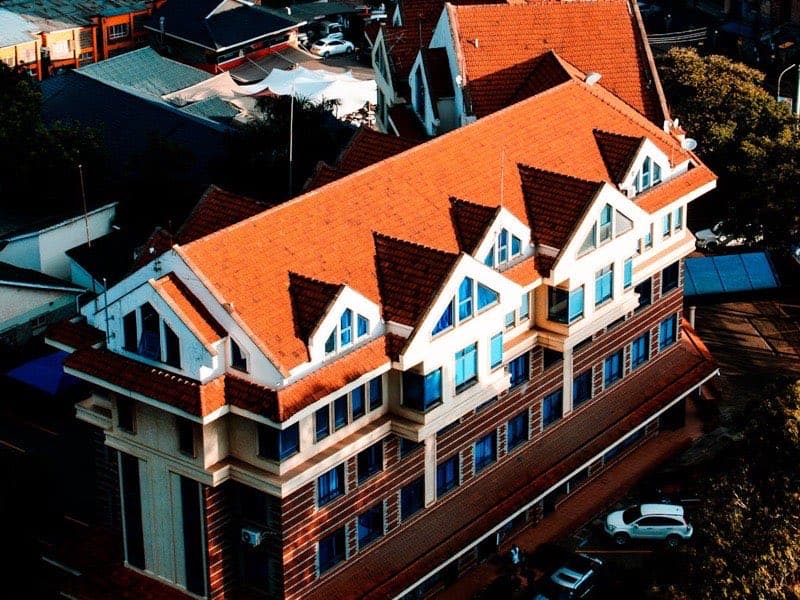

Aerial view of commercial building with flat roof
Commercial roofs require specialized systems and maintenance plans.

2

TPO: heat-welded seams, reflective, popular

TPO (Thermoplastic Polyolefin) is widely used on commercial roofs because seams are heat-welded, creating strong bonds. It performs well when installed by experienced crews.

Key questions to ask:

  • How are seams tested after welding?
  • How are terminations handled at parapets and around penetrations?
  • What does the warranty cover, and what's excluded?
Aerial view of commercial building with flat roof drainage system
Low-slope roofs need positive drainage (even "flat" roofs are sloped).

3

EPDM: durable rubber membrane, proven track record

EPDM (Ethylene Propylene Diene Monomer) has decades of proven performance and can be extremely durable in the right applications.

The primary risk is sloppy detailing at seams, edges, and penetrations. Ask specifically how the contractor handles edge metal installation and membrane terminations.

Urban cityscape with commercial buildings
Urban environments present unique roofing challenges.

4

Modified bitumen: robust, good for complex details

Modified bitumen excels on roofs with numerous details and penetrations. It's typically thicker and more puncture-resistant than single-ply alternatives.

Ask whether the installation method is torch-applied or cold-applied, and how fire safety protocols are managed for torch-down applications. Both methods can be appropriate depending on the situation.

Detailed view of a residential roof showing flashing and shingle details
Most "mystery leaks" are flashing or drainage problems—not bad shingles.

5

The #1 question: where does water go?

For any commercial roof, drainage design is the most critical factor.

Ask the contractor to identify:

  • All drain locations and their condition
  • Known low spots and ponding areas
  • Whether tapered insulation will be used to improve positive drainage

If a contractor cannot clearly explain the drainage strategy, continue evaluating other options.

Professional conducting a building inspection
Professional inspections provide objective condition assessments.