
Emergency Roof Leak Checklist (Philadelphia): What to Do in the First 60 Minutes

A practical emergency leak playbook for Philly homeowners: safety steps, temporary mitigation, documentation, and how to hire emergency help without getting scammed.

Updated January 16, 2026
Storm clouds gathering over a building

Protect people first, then property, then paperwork.

1

Step 1: Safety first (electricity and ceilings)

If water is near lights, outlets, or ceiling fixtures:

  • Turn off power to the affected area at the breaker panel immediately
  • Keep everyone away from bulging or sagging ceilings (they can collapse suddenly)

When in doubt, treat any water near electrical components as an electrical hazard. Don't take chances with safety.
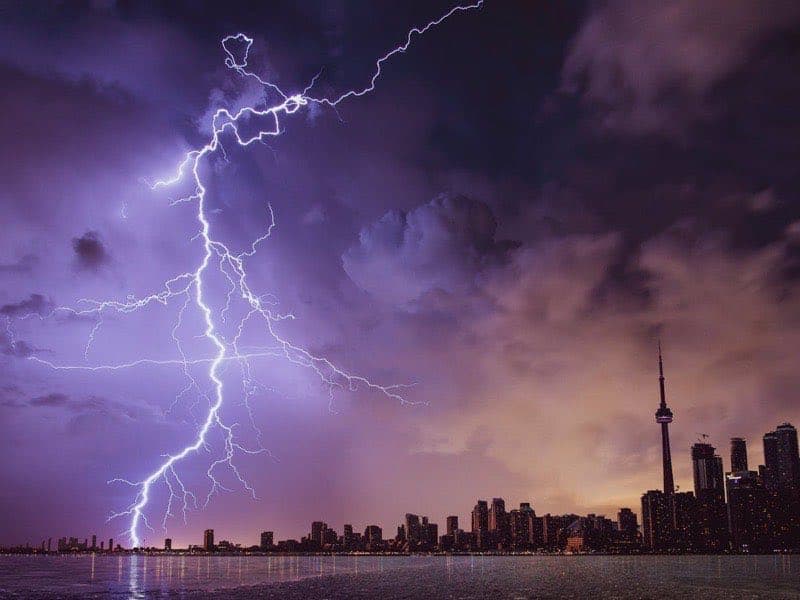

Dark storm clouds gathering over buildings
Severe weather is the primary cause of emergency roof damage.

2

Step 2: Reduce interior damage

Quick actions that limit damage:

  • Place buckets and towels immediately under active leaks
  • Move furniture and valuables away from the affected area
  • If a ceiling bubble forms, carefully puncture the lowest point with a small hole to drain water into a bucket (only if safe to approach)

Controlled drainage into a bucket prevents catastrophic drywall collapse and spreads damage to a smaller area.

Rain drops on a window during a storm
Water intrusion can cause significant damage if not addressed quickly.

3

Step 3: Don't climb onto a wet roof

Wet roofs are extremely dangerous, even for professionals. In many Philadelphia row homes, roof access involves steep angles, narrow spaces, and proximity to edges.

If you need to attempt any exterior mitigation, work from inside the attic if accessible, or wait for professional help. No temporary fix is worth a serious injury or fall.

Construction worker wearing safety equipment
Professional roofers prioritize safety and proper equipment.

4

Step 4: Document for insurance and contractor clarity

Take photos and video of:

  • The leak location inside (showing water entry point)
  • Water paths, staining, and damaged materials
  • Any obvious exterior issues visible from ground level

This documentation speeds up both the repair process and insurance claims. Contractors can better understand the situation, and adjusters have clear evidence of damage.

Person using smartphone to document something
Documenting conditions with photos helps with insurance and repairs.

5

Step 5: Hiring emergency help without overpaying

When contacting emergency roofers, ask for:

  • A written scope for the temporary fix (tarp installation, patch, drain clearing)
  • A separate estimate for the permanent repair

Emergency tarps and temporary patches can be legitimate and necessary. However, the permanent repair should be quoted transparently and separately. Be wary of contractors who pressure you into major decisions during an emergency.

Professional handshake between contractor and client
A trustworthy contractor welcomes questions and provides documentation.