Flat Roof Coatings in Philadelphia: When They Work (and When They Don't)

A detailed, non-salesy guide to roof coatings for low-slope roofs in Philly: what coatings can and cannot do, prep requirements, and red flags.

Updated January 16, 2026
Professional roofing materials and supplies

Coatings can extend life in the right scenario—but they aren't magic.

1

What coatings are (and aren't)

A roof coating is a fluid-applied layer designed to protect an existing roof surface.

Coatings can:

  • Improve reflectivity and reduce cooling costs
  • Seal small surface imperfections
  • Extend service life when the underlying roof is structurally sound

Coatings cannot:

  • Fix saturated or damaged insulation
  • Correct fundamental drainage problems
  • Replace failing flashing details
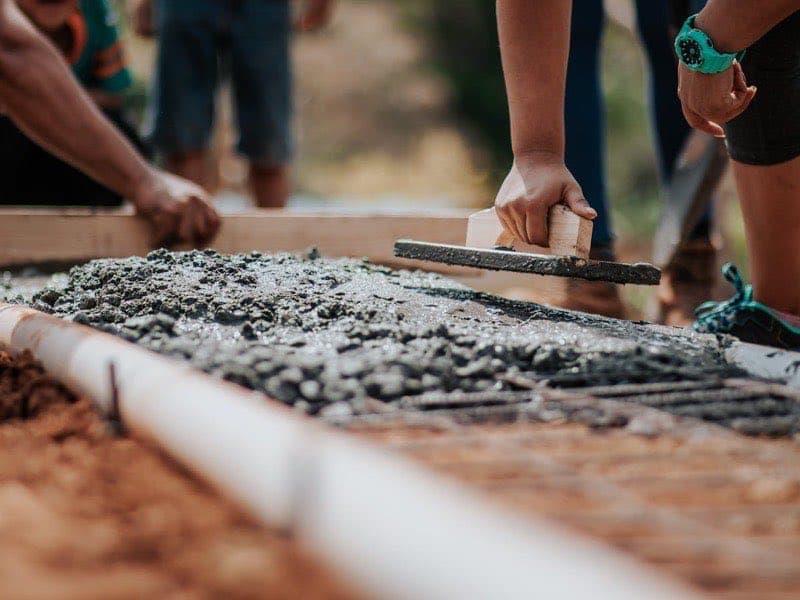
Quality roofing materials and supplies
Quality materials are only part of the equation—installation matters most.

2

Prep is everything

If a contractor doesn't emphasize preparation, be very cautious.

Proper prep typically includes:

  • Thorough cleaning and complete drying
  • Repairing seams and flashing before coating
  • Applying appropriate primers as required by the coating system
  • Using reinforcement fabric at transitions and details

A coating applied over a compromised roof is just a delayed leak waiting to happen.

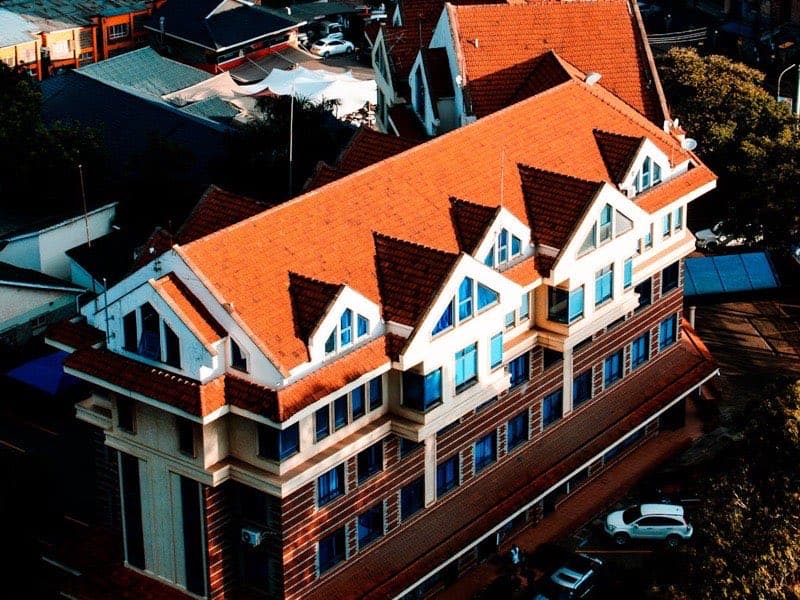
Aerial view of commercial building with flat roof drainage system
Low-slope roofs need positive drainage (even "flat" roofs are sloped).

3

When coatings can be a good value

Coatings can make financial sense when:

  • The roof is near mid-life and generally intact
  • Existing leaks are isolated and repairable, not systemic
  • You want to responsibly defer full replacement for several more years

Always request a detailed inspection report with photos before accepting any coating proposal. Understand exactly what condition the roof is in before committing.

Detailed view of a residential roof
Regular inspections help catch problems early.