
How to Read a Roofing Estimate (Philly): Line Items That Predict Leaks

A detailed guide to reading roofing estimates: flashing, underlayment, decking, ventilation, and warranties—what matters most in Philadelphia.

Updated January 16, 2026
Close-up of a professional contract document

Clarity beats charisma. A good estimate is specific and testable.

1

The goal: turn a bid into a scope you can verify

A professional roofing estimate should answer three questions:

  • What exactly is being replaced or modified?
  • What details are being improved or addressed?
  • What happens if hidden damage is discovered?

If the answer to any of these is "trust me," push back and request specifics.
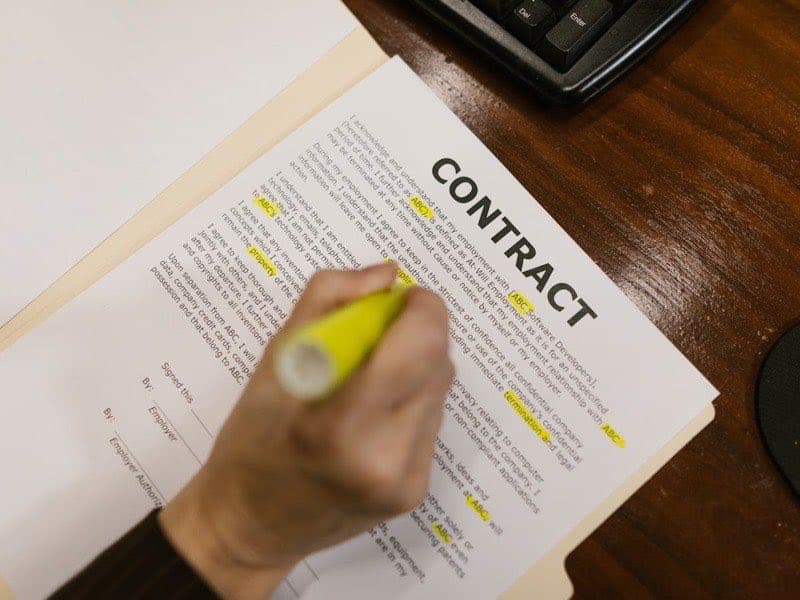
Professional reviewing contract documents at a desk
Always get estimates in writing with detailed scope.

2

Flashing: the most important word on the page

A surprisingly large percentage of roof leaks originate from flashing failures, not membrane or shingle problems.

Your estimate should explicitly address:

  • Chimney flashing and counterflashing
  • Step flashing where roof meets walls
  • Pipe boots and all penetration flashings

If flashing isn't mentioned or detailed in the estimate, expect problems down the road.

Detailed view of a residential roof showing flashing and shingle details
Most "mystery leaks" are flashing or drainage problems—not bad shingles.

3

Decking repairs: avoid "we'll see" surprises

Professional contractors include a decking repair allowance or clear unit pricing (e.g., "$X per sheet of plywood replaced") so you can budget appropriately.

If there's no mention of decking, ask directly what happens if rot is discovered. The answer reveals a lot about how the contractor handles change orders and unexpected discoveries.

Quality roofing materials and supplies laid out for installation
A roof is a system—materials and details work together.

4

Warranty terms: materials vs workmanship

Two separate warranties typically apply to a roofing project:

  • Manufacturer warranty: Covers material defects
  • Contractor workmanship warranty: Covers installation quality

Ask specifically what is excluded (common exclusions include storm damage, poor maintenance, and damage caused by other trades) and what the claims process looks like.

Person signing a professional contract document
Clear payment terms protect both homeowner and contractor.