Roof Ventilation in Philadelphia: Preventing Ice Dams, Moisture, and Premature Roof Failure

A detailed ventilation guide for Philly homeowners: intake vs exhaust, common mistakes, moisture signs, and what to ask roofers.

Updated January 16, 2026
Modern home attic and roofing construction details

Ventilation is less about comfort and more about moisture control and roof longevity.

1

Why ventilation matters (even if you don't have a traditional attic)

Proper ventilation helps manage:

  • Heat buildup that accelerates shingle aging
  • Moisture from daily activities (showers, cooking, laundry)
  • Condensation that can rot decking over time

In older Philadelphia homes, minor ventilation problems often manifest as recurring "mystery leaks" or persistent musty odors on upper floors.

Detailed view of a residential roof
Regular inspections help catch problems early.

2

Intake and exhaust: it's a complete system

Effective ventilation requires both components working together:

  • Intake: Usually through soffit vents allowing cool, dry air to enter
  • Exhaust: Ridge vents, box vents, or powered vents allowing warm, moist air to exit

Adding exhaust ventilation without adequate intake can actually pull conditioned air from your living space while failing to solve moisture problems.

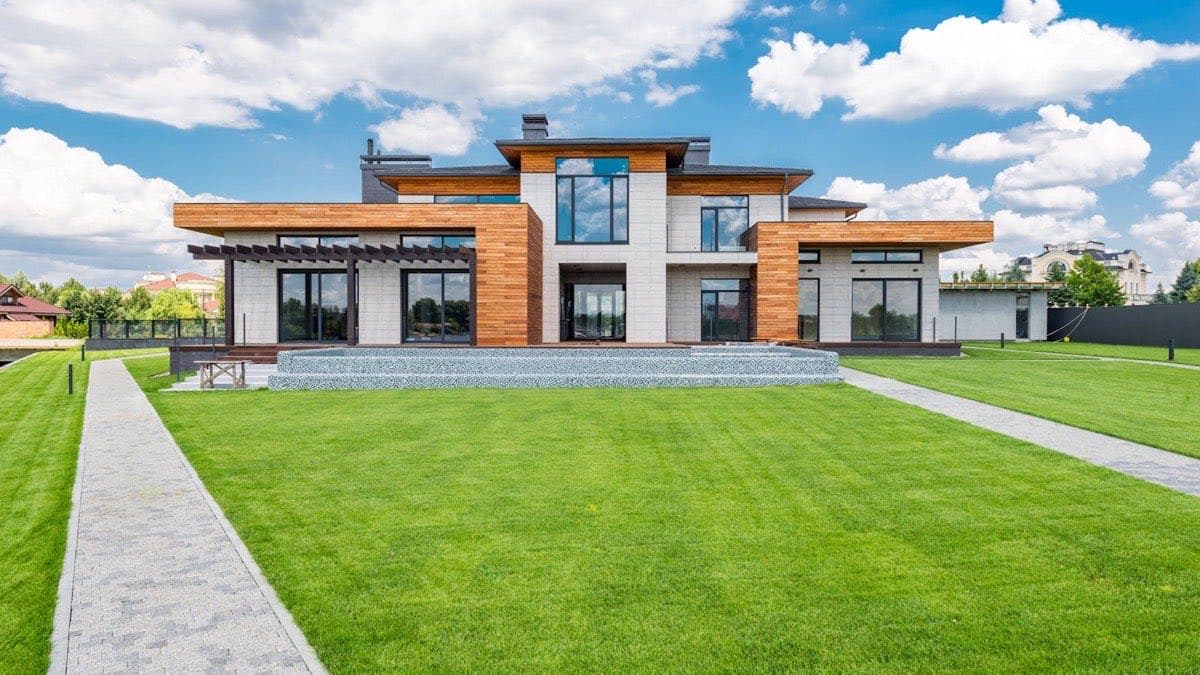
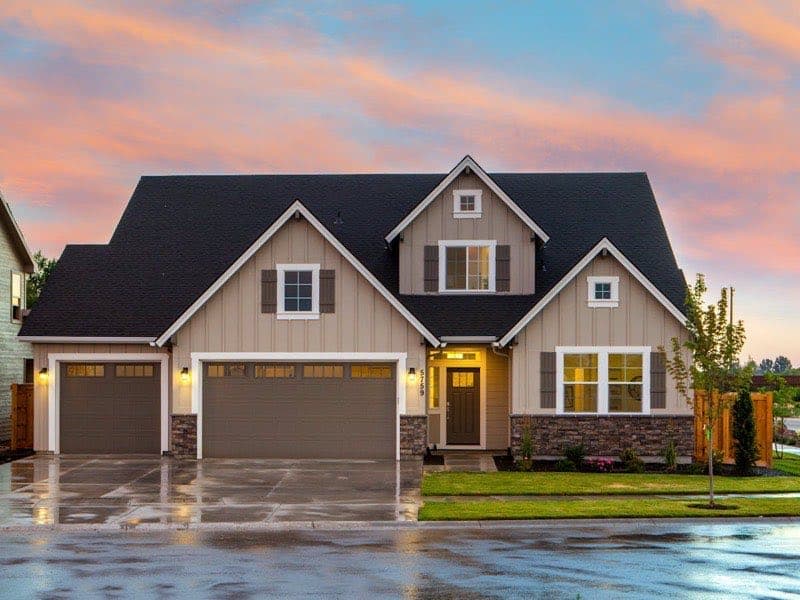
Beautiful residential home showing roof ventilation and construction
Ventilation reduces moisture and heat buildup, improving roof lifespan.

3

Common Philadelphia pitfalls

Watch for these issues:

  • Blocked soffits (painted shut, covered by siding, or insulated over)
  • Bathroom fans venting into attic space instead of outside
  • Mixed vent types that create conflicting airflow patterns

If your roofer recommends ventilation modifications, ask them to explain the airflow improvement—not just "adding more vents."

Professional construction worker with protective equipment
Experienced crews make the difference in installation quality.

4

Signs you may have a ventilation or moisture issue

Red flags to watch for:

  • Frost on nail tips or underside of roof decking in winter
  • Mold or mildew odors on the top floor
  • Peeling paint near ceiling corners and edges
  • Repeated decking rot, especially near roof edges

These issues are usually fixable, but ignoring them allows progressive damage that shortens overall roof life.

Professional conducting a building inspection
Professional inspections provide objective condition assessments.