Seasonal Roof Maintenance for Philadelphia Homes (Storms, Snow, and Row-Home Realities)

A detailed seasonal maintenance guide for Philly: what to check in spring/summer/fall/winter to prevent leaks and extend roof life.

Updated January 16, 2026
Beautiful home exterior in natural setting

Small, consistent checks prevent expensive surprises.

1

Spring: reset after freeze-thaw cycles

Spring is the ideal time to assess winter damage:

  • Check for loose or displaced flashing
  • Clear debris from drains and scuppers
  • Look for early signs of ponding on low-slope sections

For row homes, pay special attention to shared edges and any areas where water could be migrating from adjacent rooflines.


House exterior in spring with blooming flowers
Spring is ideal for post-winter inspections and repairs.

2

Summer: sun and heat expose weak details

Intense summer heat can accelerate failures in:

  • Sealants around penetrations and flashings
  • Aging membrane materials
  • Poorly ventilated roof assemblies

If you notice musty smells upstairs or unusually high temperatures in upper floors, it may indicate a ventilation problem worth investigating.

Beautiful house exterior on a sunny summer day
Summer heat can accelerate aging of roofing materials.

3

Fall: prepare for leaves and clogged drains

Fall is "clog season" for low-slope roofs:

  • Keep drains and scuppers completely clear
  • Remove leaf accumulations near parapets and in corners

Standing water after rain events is a warning sign that drainage is compromised. Address blockages before winter freeze-thaw cycles compound the problem.

Autumn leaves on the ground near a house
Fall is prime time for gutter and drain maintenance.

4

Winter: watch for ice and hidden leaks

Winter monitoring priorities:

  • Look for interior staining after snow melt events
  • Watch for ice dam indicators on pitched roof sections

Avoid climbing on any roof surface in winter conditions. Use binoculars from the ground and call a professional for anything that looks concerning. Safety comes first.

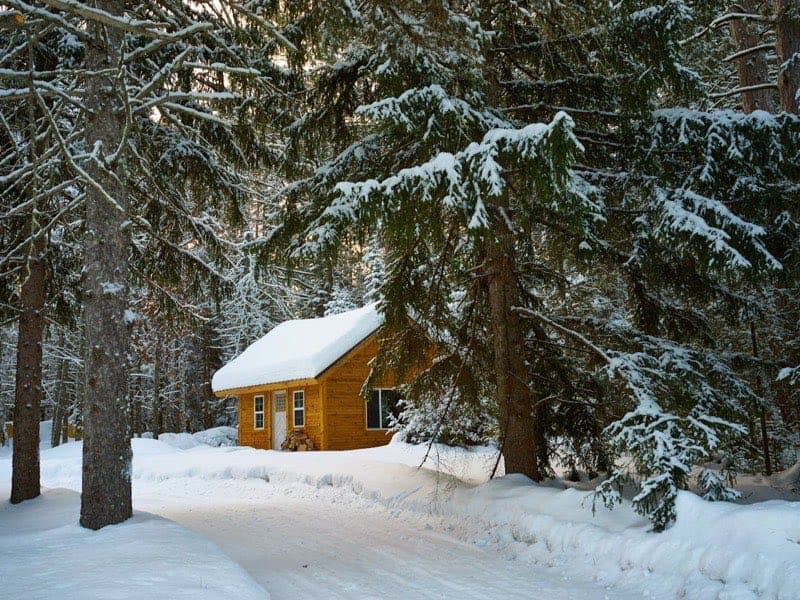
House covered in snow during winter
Winter conditions can reveal hidden ventilation and insulation problems.

5

When to schedule a professional inspection

A professional inspection is a smart investment if:

  • You've experienced repeated leaks or ongoing moisture issues
  • Your roof is 10+ years old and you don't know its maintenance history
  • You're buying or selling a home

Ask for photographs and a written report documenting conditions. Those "receipts" become valuable reference points for future decisions and warranty claims.

Professional conducting a building inspection
Professional inspections provide objective condition assessments.